12. Errors
A failure is an operation that did not produce the value its signature promises. HQL has two kinds of failure, and each has its own mechanism:
- A data failure is a value.
err(e)of aResult<T, E>, and anInvalidwith itsViolations, are ordinary values of the program:map,match,errs()andsinkact on them as on any other value. - A diagnostic is an event. A phase of the run — the loader, the parser, the checker, the planner, the evaluator or the renderer — writes one when it cannot do what the program asked. The program never constructs a diagnostic and never reads one.
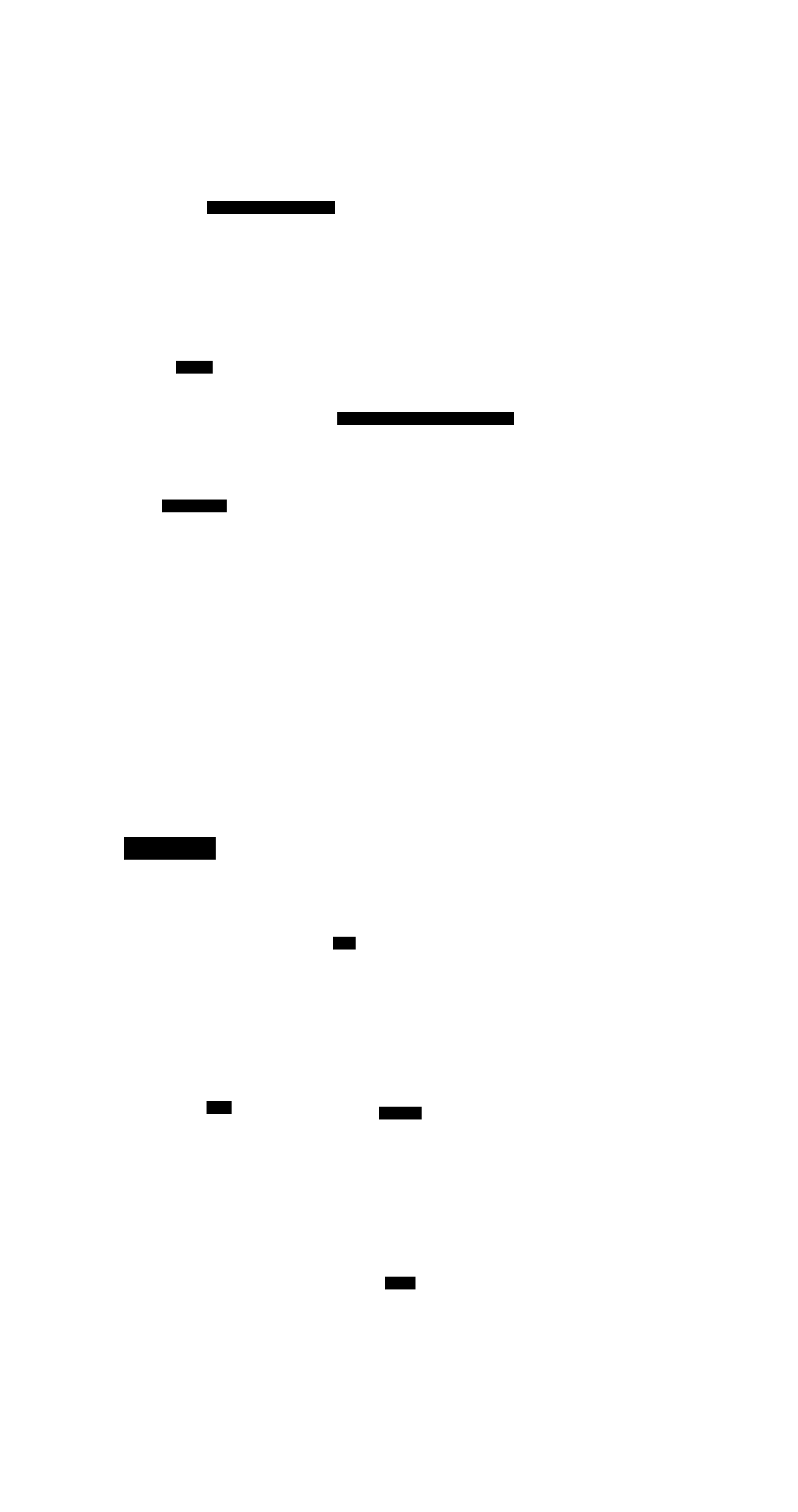
The call site determines which of the two a data failure is. x |
validate(User) gives Result<User, Invalid>, a value; x | User requires
x to read as a User, and a value that does not is a diagnostic of the
execute phase. No operation moves a failure from one side to the other.
| Term | Meaning |
|---|---|
| failure | an operation did not produce the value its signature promises |
| data failure | a failure the program keeps as a value: err(e), Invalid, Violation |
| diagnostic | a structured event describing a failure, written by a phase |
| phase | when the diagnostic occurred: load, parse, check, plan, execute, render |
| kind | what the problem is, by a stable kebab-case name: type-mismatch, division-by-zero |
| severity | how serious it is: debug, info, warning, error, failure |
| disposition | what the phase did next: warning, recoverable, fatal |
| diagnostic channel | the one Channel<Diagnostic> of a run, which every phase writes into |
| format | a rendering of a diagnostic: DiagnosticText, Json |
| target | where a rendered diagnostic is delivered: standard error by default |
The two pages of this chapter take the sides in turn:
- Failures as data:
Result,validate,InvalidandViolation, and the operations over them. - Diagnostics: the four axes, the diagnostic channel, the
formats,
strictandcollect, and the exit status.
What is next
Diagnostics are what hql says back. Chapter 13
is the rest of the conversation: the commands, the REPL, the reports and the
settings.